
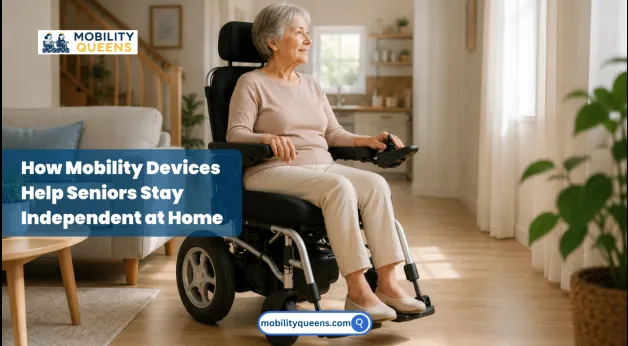
Ask most older adults what they want, and the answer is simple. They want to stay in their own home and move around freely. The trouble is the moment when walking to the kitchen starts to feel like a long trip.
That is where a mobility scooter earns its place. A good scooter or power chair returns the freedom that aging chips away. This article looks at how they do it.
Why Mobility Is the Real Key to Aging at Home
When walking gets painful, life quietly shrinks. First, it is the garden. Then the second floor. Eventually, the front door feels too far, and the world narrows to a single room.
Mobility devices stop that slide. They let a person reach the kitchen, the mailbox, or a sunny spot outside without having to wait for someone to help. That reach protects more than the body. It protects the sense of still being in charge of your own day.
The Real Ways These Devices Help
Here is what changes once the right device arrives.
1. Fewer Falls, Less Fear
Falls are the number one cause of injury in older adults. Most happen during ordinary walking, often over something small. A seated device removes that risk at the source.
An electric wheelchair or scooter carries the body fully. The user sits, steers, and stops with controls built for tired or unsteady hands. One avoided fall can be the difference between staying home and moving into care.
2. The Small Tasks Stop Being Exhausting
Nobody plans for laundry to become a workout. Yet for many seniors, the walk to fold it is the hard part, not the folding. A device saves that energy for things worth doing.
A motorized scooter for elderly users handles the daily grind without drama:
● The trip from the bedroom to kitchen, made without stopping to rest
● Small loads carried in a basket instead of in aching arms
● The mailbox reached on a whim, not as a planned expedition
Save the energy on chores, and there is more left for the people and moments that matter.
3. The Front Door Opens Again
A home can start to feel like a waiting room when leaving it is hard. Mobility devices change that. Suddenly, a visit to a neighbor or a slow loop around the park is back on the table.
A portable mobility scooter folds down for the car, so trips are not limited to the driveway. The user can go wherever they want without booking a ride or asking for a favour. That kind of reach keeps friendships and routines alive.
4. Comfort That Lasts the Whole Day
Aging joints do not forgive long stretches of sitting or standing. The better devices account for this. Cushioned seats and proper back support make a long ride more comfortable.
A lift recliner chair picks up where the scooter leaves off. It eases someone from a seated to a standing position with a gentle tilt, sparing the knees. A scooter for getting around and a supportive chair for resting cover the day from both ends.
5. Confidence Comes Back Too
Losing mobility wears on the mind as much as the body. Frustration sets in, then isolation. Getting that freedom back tends to lift both at once.
Seniors who move on their own feel more like themselves. They say yes to visits more often and pull back less often. That steady connection is one of the best defenses against loneliness there is.
Choosing the Right Device
There is no single best device, only the best fit. Start with the person and their home.
|
Device |
Best for |
|
Mobility scooter |
Outdoor trips, errands, longer distances |
|
Electric wheelchair |
Full-time support, tight indoor spaces |
|
Portable scooter |
Travel, car transport, occasional use |
|
Lift recliner chair |
Easier sitting and standing at home |
Walk the home in your mind first. Narrow hallways call for a compact machine, while open spaces and outdoor use allow a larger one.
Then think about distance. An active senior who likes to get out needs a mobility scooter with real range. Someone making short indoor trips can do well with something simpler.
The Features Worth Caring About
Ignore the long spec sheets and watch for four things.
● Easy controls that suit limited hand strength
● A stable base, ideally four wheels, that resists tipping
● A comfortable seat with genuine back support
● A manageable weight that fits the car and the garage
Battery range deserves a hard look too. The device should last a full day without a midday charge, so check the rating against the person’s actual routine, not an optimistic one.
Keep maintenance in mind as well. A reliable brand with clear instructions gets used. A finicky machine ends up parked in the corner.
A Few Changes That Make the Home Work
Even the best device needs a home that cooperates. The good news is the fixes are cheap and quick.
● Clear the walkways of loose rugs and clutter
● Add a ramp wherever a step blocks the way
● Widen the doorways that get used most, if you can
● Put a charging point near the spots where they rest
Small as they seem, these changes let a device reach every corner of the house. Pair them with the right machine, whether a scooter or an electric wheelchair, and living independently stops being a stretch.
Helping Them Live Life on Their Own Terms
Mobility devices give back exactly what aging tries to take. They cut the risk of falls, lighten the daily load, and protect both body and spirit. With the right one, staying home becomes safe rather than risky.
The right pick always comes down to the person, their home, and their habits. Take a look through the range of mobility products for seniors at Mobility Queens. The device that returns their independence may be just one short conversation away.
Frequently Asked Questions
What is the best mobility device for a senior at home?
It depends on their needs. A scooter suits outdoor trips, while an electric wheelchair helps with full-time indoor support.
Are mobility scooters safe for elderly users?
Yes, when chosen well. Stable four-wheel models with simple controls offer safe, confident movement indoors and out. Pairing one with a lift recliner chair at home covers both moving around and resting safely.
Can a mobility scooter be used inside the house?
Compact ones can. Check the turning radius and the widths of your doorways to be sure it fits your layout.
How do I help an aging parent accept a mobility device?
Frame it as freedom, not limitation. Show them how it restores independence and keeps them part of daily life.
Do mobility devices need much maintenance?
Most need very little. Regular charging and occasional checks keep a quality device running for years.