
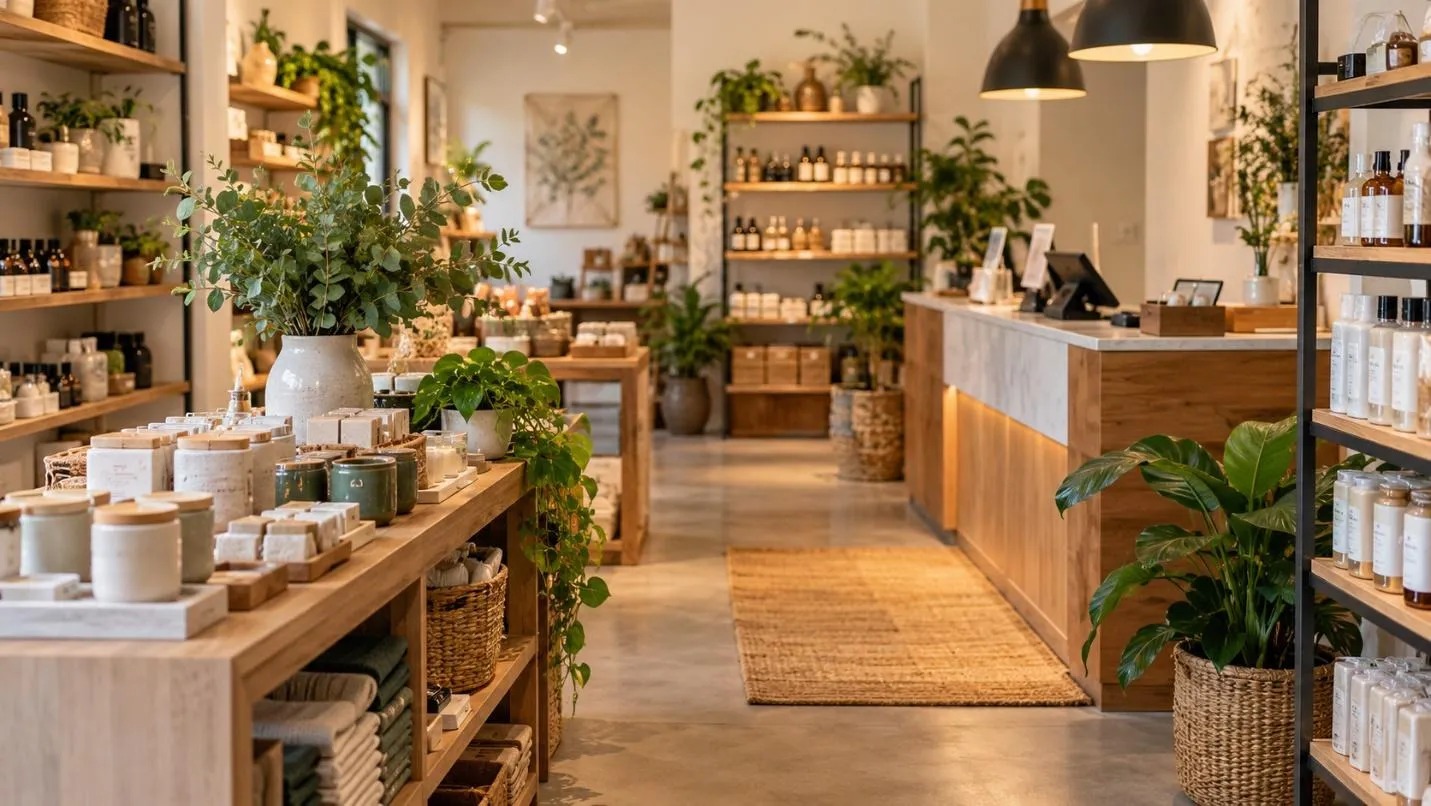
Creating a premium shopping experience doesn’t necessarily mean spending thousands on renovations, designer furniture or expensive store fittings. Often, the difference between an ordinary retail store and one that feels more upscale comes down to presentation, organisation and attention to detail.
Customers notice how easily they can navigate a store, how products are displayed and whether the overall environment feels welcoming. Even small improvements can influence their perception of quality and make shopping more enjoyable.
For retailers working with limited budgets, the goal should be to invest in changes that improve the customer experience without creating unnecessary operating costs.
Here are seven practical ways to achieve that.
1. Start With a Clean, Consistent Store Appearance
A premium shopping experience begins with the overall condition of the store. Customers are more likely to feel comfortable browsing an environment that looks clean, organised and well-maintained.
Start by removing unnecessary clutter from entrances, checkout counters and display areas. Keep floors clean, shelves tidy and promotional materials in good condition.
Visual consistency also matters. Using similar colours, signage styles and display arrangements throughout the store creates a more coordinated appearance, even when the fixtures themselves are relatively inexpensive.
Consider replacing faded signs, repairing damaged surfaces and removing outdated promotional materials before purchasing anything new.
These improvements require minimal investment but can make a noticeable difference to how customers perceive the business.
2. Upgrade Product Presentation Before Investing in Expensive Renovations
Products should be easy to see, compare and access. When merchandise is poorly arranged or displayed on overcrowded shelves, even high-quality products can appear less appealing.
Instead of immediately investing in a complete refurbishment, focus on improving the fixtures and displays customers interact with every day.
Retail shelving suppliers such as Mills Shelving provide modular display systems that help businesses organise merchandise while accommodating different product sizes and store layouts.
Adjustable shelving is particularly useful for smaller retailers because it allows display arrangements to change as inventory and seasonal requirements evolve.
For example, a convenience store can reposition shelves to accommodate new product categories, while a boutique can create more space around selected merchandise to give displays a less crowded appearance.
The priority should be flexibility and long-term value, not simply choosing the cheapest fixture available.
According to Neil Webster, CEO of Mills Shelving, effective shelving should support everyday store operations rather than restrict them. His approach emphasises display systems that help retailers merchandise products clearly, replenish stock efficiently and adapt their layouts as product ranges change. For businesses operating on smaller budgets, this highlights an important consideration: fixtures should be evaluated not only by their initial purchase price but also by how useful they will remain as the store evolves.
3. Use Affordable Lighting to Create a More Upscale Atmosphere
Lighting affects how customers perceive products and the surrounding retail environment.
A poorly lit shop can feel uninviting, while harsh or inconsistent lighting may make product displays less appealing. Fortunately, improving lighting does not always require replacing an entire electrical system.
Start by identifying areas where merchandise is difficult to see. Existing fixtures may simply need cleaning, repositioning or replacement bulbs.
Energy-efficient LED lighting can also improve product visibility while potentially reducing electricity consumption compared with older, less efficient lighting.
Pay attention to colour temperature. Warm lighting can create a welcoming atmosphere in boutiques and lifestyle stores, while neutral lighting may be more appropriate for supermarkets, pharmacies and convenience stores.
The objective is not to make every section brighter. It is to create balanced illumination that makes products attractive, prices readable and the shopping environment comfortable.
4. Make Your Store Layout Feel Spacious and Easy to Navigate
A premium shopping experience should feel effortless. Customers should be able to locate products, move between aisles and reach the checkout without unnecessary obstacles.
This is particularly important for smaller retail premises, where every square metre needs to serve a purpose.
Begin by examining the store from a customer’s perspective. Are the main product categories easy to identify? Do promotional displays block walkways? Can shoppers find prices without asking staff?
Similar principles apply to digital shopping experiences. An article examining the relationship between business performance and website usability explains how clear navigation and reduced friction help customers move towards purchasing decisions.
Physical retail stores benefit from the same approach.
Arrange related products together, position everyday essentials in logical locations and use clear signage to guide customers through the space.
Pricing should also be straightforward. The Australian Competition and Consumer Commission (ACCC) requires retailers to communicate accurate, non-misleading prices, making clear shelf labels important for both customer confidence and compliance.
A thoughtful layout can make a small shop feel more organised without requiring additional floor space.
5. Create Premium-Looking Product Displays With Simple Changes
Expensive decorations are not essential for creating attractive retail displays. Often, the most effective improvements involve changing how existing merchandise is presented.
Start by identifying a few products or categories worth highlighting. Instead of filling every available space, allow featured products enough room to stand out.
Consistent shelf heights, coordinated price labels and tidy product groupings can create a more professional appearance.
Retailers can also use simple techniques such as grouping complementary products, displaying seasonal merchandise together and refreshing feature areas regularly.
Based on its experience supplying commercial shelving to independent retailers and major Australian retail businesses, Mills Shelving emphasises the importance of adaptable fixtures that support changing merchandise and practical store operations.
This matters because retailers frequently introduce new products, adjust inventory levels and change promotional displays.
A flexible display system allows these changes without requiring expensive modifications every time the product range evolves.
Rather than continually purchasing decorative accessories, businesses should first maximise the presentation value of the fixtures they already own.
6. Deliver Personalised Customer Service Without Increasing Costs
A store can have attractive displays and quality merchandise, but poor customer service can quickly undermine the experience.
Premium service is not necessarily about providing additional staff or expensive extras. It is about making customers feel acknowledged, informed and comfortable throughout their visit.
Employees should understand the products they sell and be able to offer useful recommendations when customers need assistance.
For example, a staff member who explains the differences between two similar products can help customers make decisions without relying on aggressive sales techniques.
Simple actions such as greeting visitors, keeping checkout areas organised and handling enquiries promptly can also contribute to a more positive experience.
Consistency is particularly important. Customers should receive the same standard of service regardless of whether they visit during a quiet afternoon or a busy weekend.
Investing time in staff training and clear service procedures may deliver more practical value than adding expensive features that customers rarely use.
7. Focus Your Budget on Improvements Customers Actually Notice
When funds are limited, attempting to improve every aspect of a retail store at once can quickly become expensive.
A more practical approach is to identify the improvements most likely to influence customer comfort, product visibility and operational efficiency.
Start by walking through the shop and recording problems that customers may encounter. Look for cluttered displays, confusing signage, poorly lit areas and damaged fixtures.
Next, separate essential improvements from optional upgrades.
For example, replacing unstable shelving should generally take priority over purchasing decorative accessories. Improving unclear pricing may be more useful than installing elaborate promotional signage.
Before committing to major expenditure, test smaller changes and monitor their impact.
Retailers can assess customer feedback, average transaction value, sales performance in featured categories and how efficiently staff complete everyday tasks.
These measures will not prove that every improvement directly increases sales, but they can help identify whether changes are producing worthwhile results.
The best investment is not always the most visually impressive one. It is the improvement that creates lasting value for both customers and the business.
Conclusion: A Premium Experience Comes From Thoughtful Details
Creating a premium shopping experience on a small budget is less about expensive renovations and more about making smart, practical improvements.
Clean surroundings, organised merchandise, effective lighting and accessible store layouts all contribute to how customers perceive a retail business.
Equally important are knowledgeable staff, clear pricing and fixtures that remain useful as the store changes.
Rather than trying to transform an entire shop overnight, retailers should focus on improvements that address genuine customer needs and support everyday operations.
A premium shopping experience is ultimately defined by how customers feel when visiting a store, not how much money was spent creating it.